Rome is worth visiting because antiquity here is not a museum side trip — it is the street plan. Columns rise beside cafés, fountains argue cheerfully with traffic, and every corner seems to hold another fragment of empire casually leaning into the present. The city invites slow wandering more than strict schedules: gelato in one hand, a two-thousand-year-old wall in the other, and the soft knowledge that you are walking through chapters written in marble and brick.
Five sightseeing highlights
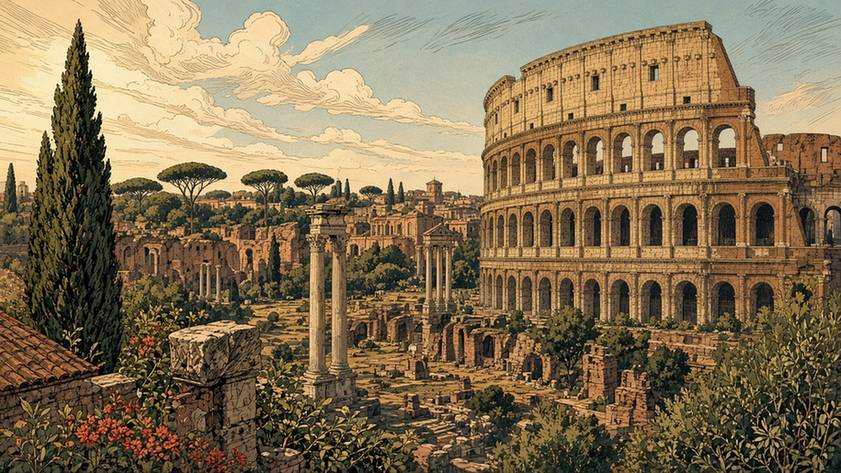
Colosseum
The amphitheater’s oval still dominates the skyline of ancient Rome with arches upon arches of weathered stone. Standing outside — or within, if you go inside — you feel the scale of spectacle the empire once staged for thousands.
Vatican Museums & St. Peter’s
Corridors of art lead toward the Sistine Chapel’s painted ceiling, then open into St. Peter’s vast embrace of dome and colonnade. Even a partial visit leaves you with the sense of walking through centuries of craftsmanship and faith.
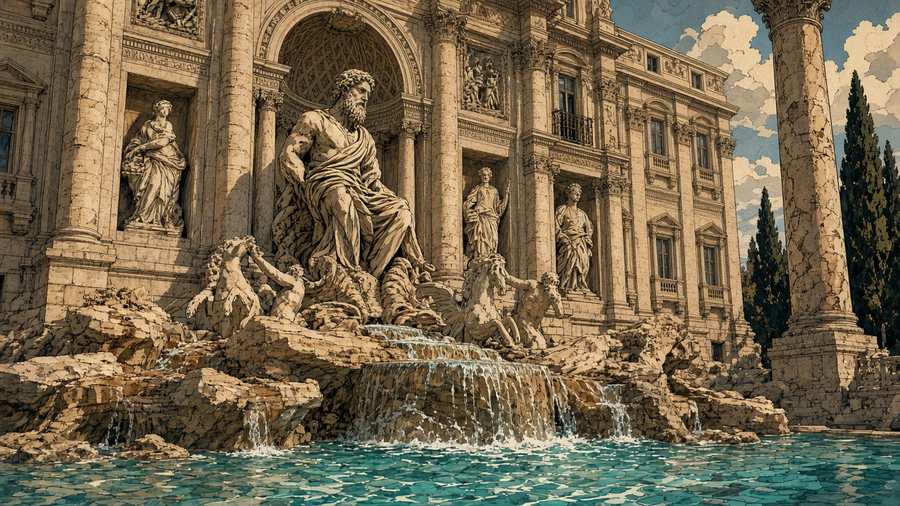
Trevi Fountain
Baroque theater spills into a small square: Neptune, horses, and cascading water framed by warmly lit façades. Toss a coin if tradition calls, or simply watch the fountain perform for the crowd it always gathers.
Pantheon
Step inside and look up: the oculus opens the dome to sky and weather with elegant simplicity. Daylight pools on the marble floor, and the geometry of the space still feels quietly modern after nearly two millennia.
Roman Forum
Broken temples, arches, and paved streets stretch between Capitoline and Palatine like an open-air archive. Wandering the Forum, you piece empires together from columns, inscriptions, and the soft grass that has reclaimed the gaps.
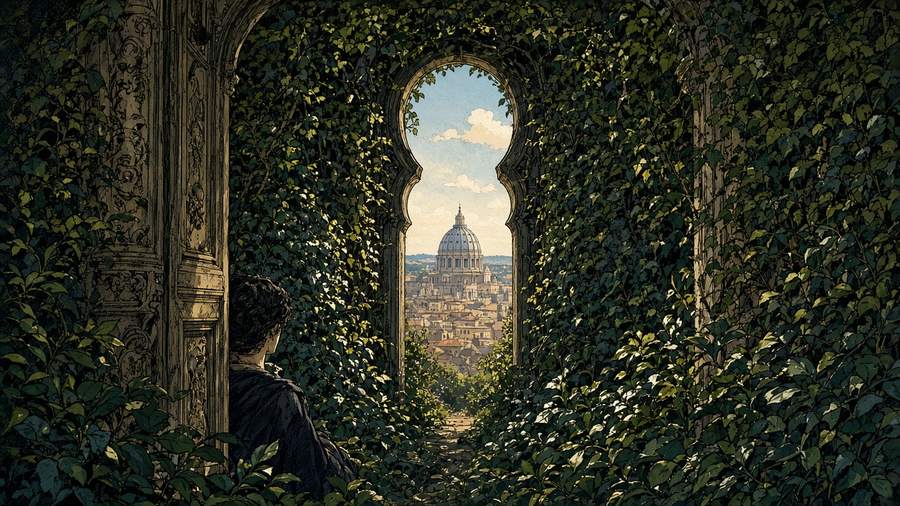
A secret sightseeing idea
On Aventine Hill, seek the keyhole in the Knights of Malta gate for one of Rome’s most charming framed views: St. Peter’s dome, centered perfectly through a tiny aperture as if the city arranged the shot for you. The approach is half the pleasure — quiet residential streets, orange trees, and a pace that slows as you climb away from the Forum crowds. Arrive in soft morning light or late afternoon, when the line is shorter and the dome glows. You will find a simple wooden door; peer through the keyhole and the garden avenue beyond lines up with the dome in a single, almost improbable axis. No ticket, no spectacle machinery — just geometry, patience, and a shared smile with whoever is waiting behind you. Step back, walk the nearby orange garden overlook for a wider skyline, then descend with the pleasant feeling that Rome still hides small miracles in plain sight. It is a secret that locals and return visitors trade like a favorite joke, and it never quite loses its magic on the first look.
That is the lanasky spirit in Rome: chase the grand stones, then let one quiet keyhole remind you that wonder often fits through the smallest opening.
About the Author