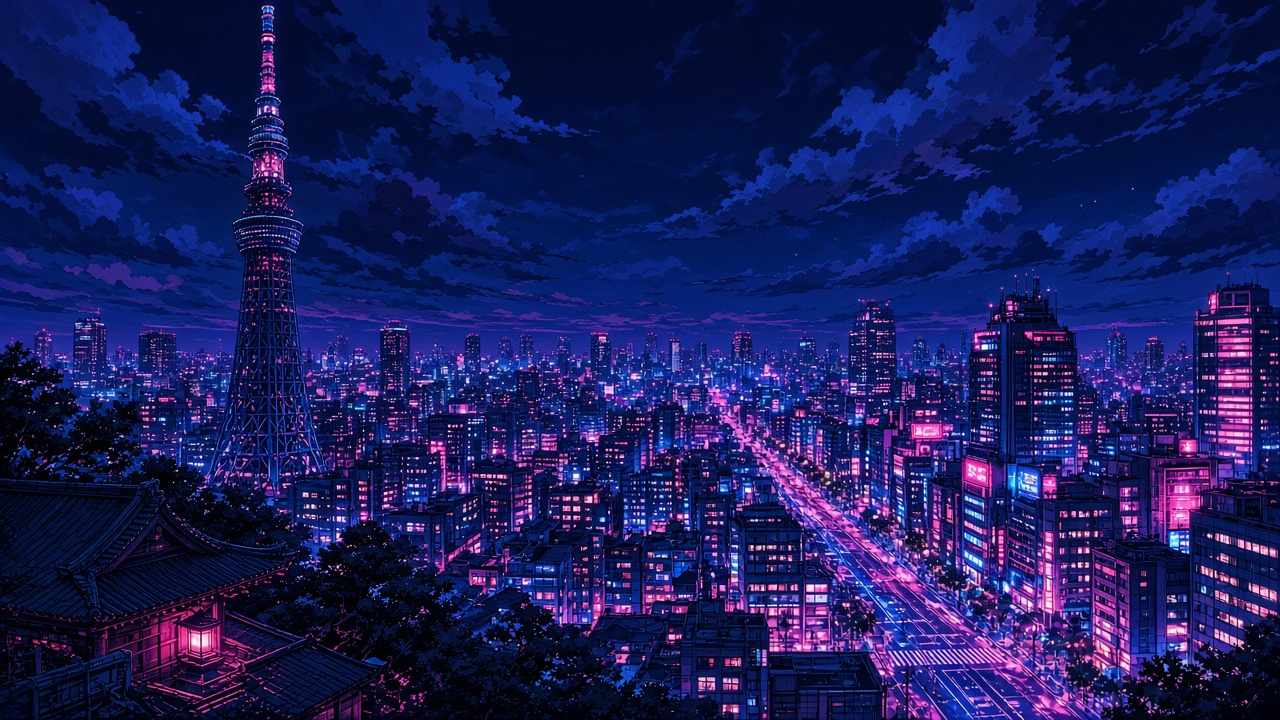
Tokyo is worth visiting because it somehow holds temple courtyards, neon canyons, and whisper-quiet side streets in the same easy breath. One hour you are under towering cedar gates; the next you are crossing a scramble of umbrellas and LED signs that look choreographed. The city never asks you to choose between tradition and tomorrow — it simply offers both, then invites you to keep walking. For travelers who like contrast with kindness, Tokyo feels endlessly renewable.
Five sightseeing highlights
Senso-ji Temple
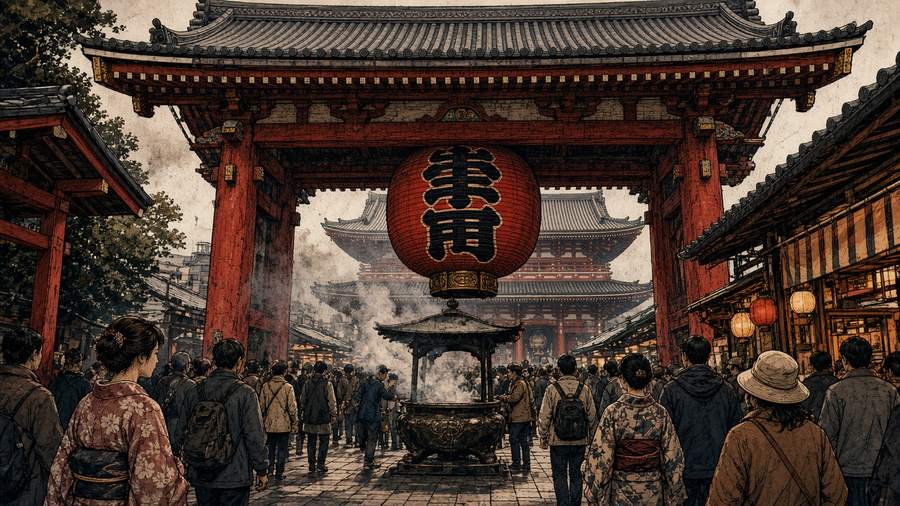
Asakusa’s lantern gate leads into incense, souvenir lanes, and a main hall that still feels ceremonial despite the crowds. Arrive early if you can; the courtyard softens, and the temple’s reds and golds read more clearly in quieter light.
Shibuya Crossing
The famous scramble is less a crossing than a brief urban ballet — waves of people flowing, pausing, flowing again. Stand on a corner, watch one full cycle, and you understand Tokyo’s rhythm in a single choreographed minute.
Meiji Shrine
A forest path slips you out of the city’s noise and into gravel, tall trees, and a shrine that asks for a slower pace. The contrast with nearby Harajuku is half the magic: Tokyo proving it can hush itself when it wants to.
Tokyo Skytree
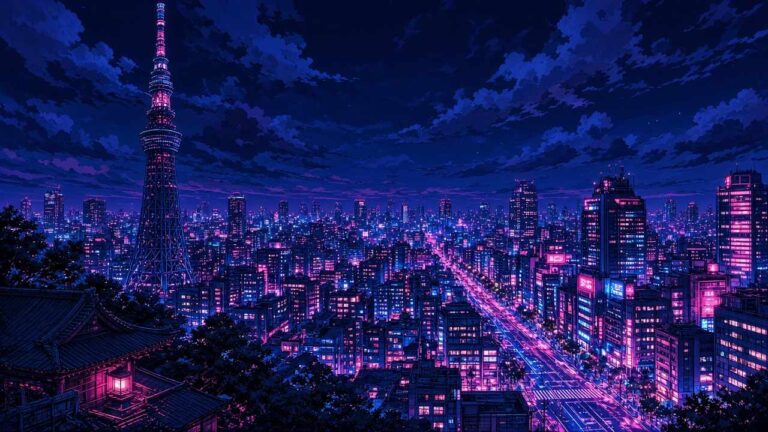
From the observation decks, neighborhoods flatten into a glittering grid that stretches past the horizon. Daylight shows rivers and rooftops; night turns the city into a soft constellation of windows and train lines.
teamLab Borderless
Immersive digital rooms dissolve walls into moving color, water, and light that reacts as you walk. It is sightseeing as play — less about a single photo, more about stepping inside a living artwork.
A secret sightseeing idea
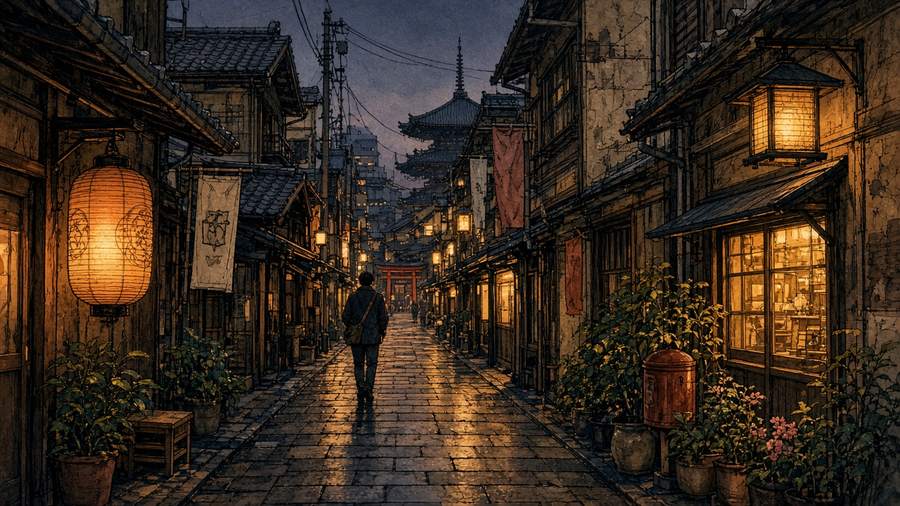
When the big sights start to blur, take an evening stroll through Yanaka Ginza and the surrounding alleys for old-Tokyo vibes without the tourist crush. This low-rise shopping street feels neighborly: snack stalls, soft shop lights, cats weaving past bicycle baskets, and a gentle slope that encourages a slow pace. Come after late afternoon, when locals pick up groceries and the sky softens above tiled roofs. Wander side lanes where wooden houses lean close, laundry flutters, and temple gates appear without fanfare. There is no grand monument to “collect” — that is the point. You are gathering atmosphere: the smell of grilled snacks, the clack of shutters, the sense that Tokyo still keeps pockets of small-scale life intact. Sit for a moment on a bench, watch the street breathe, and let the evening settle around you. Yanaka does not compete with neon; it offers a quieter chapter, and that quiet is exactly why it feels special.
Lanasky curiosity thrives in cities like this — places where one more alley, one more shrine path, and one more evening light can rewrite what you thought a day in Tokyo could hold.
About the Author