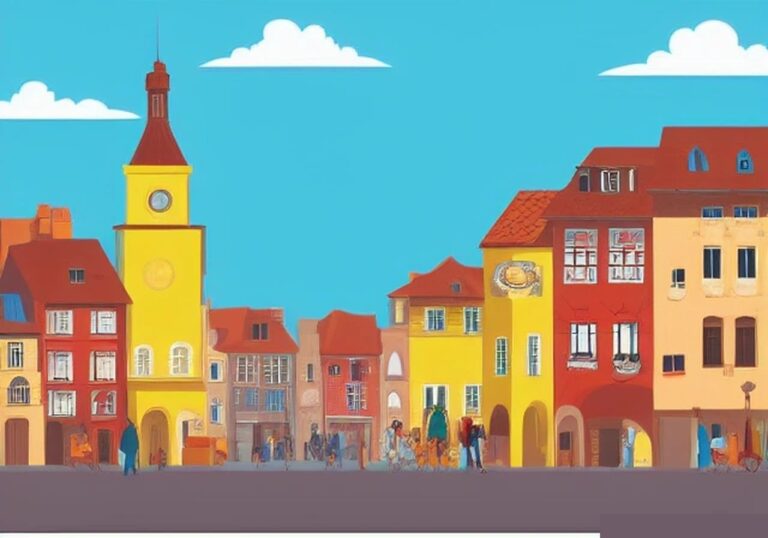
High Society in the Modern World
When people hear the term “high society,” they often think of luxury lifestyles, elegant events, designer fashion, exclusive clubs, and impressive city skylines. Popular media frequently portrays high society as a world filled with wealth, influence, and prestige.
While financial success is often associated with high society, the concept is much broader than expensive possessions and luxurious surroundings. High society also reflects achievement, education, leadership, innovation, and social influence within a community.
The Connection Between High Society and Modern Cities
Major cities are often viewed as centers of high society because they serve as hubs for business, finance, technology, culture, and innovation. Skyscrapers, corporate headquarters, luxury residences, and cultural institutions help shape the image of success that many people associate with urban life.
These cities are home to professionals, entrepreneurs, executives, investors, and skilled workers who contribute to economic growth and development. Their combined efforts help drive industries, create opportunities, and support thriving communities.
The energy and activity found in large metropolitan areas often symbolize ambition, progress, and the pursuit of personal and professional goals.
The Role of Skyscrapers and Business Centers
Skyscrapers have become one of the most recognizable symbols of modern success. These structures represent years of planning, engineering, construction, and investment. Beyond their impressive appearance, they serve as workplaces for thousands of individuals across a wide range of industries.
Architects, engineers, construction workers, technicians, managers, and business professionals all contribute to the creation and operation of these buildings. As a result, skyscrapers represent not only wealth but also collaboration, innovation, and human achievement.
Many corporate offices located within these towers serve as centers for decision-making, strategic planning, product development, and business growth.
Business and Professional Success
Business plays a significant role in shaping modern high society. Companies create jobs, develop products and services, and contribute to economic development. Successful businesses often become symbols of innovation and leadership within society.
Professionals in fields such as technology, finance, engineering, healthcare, architecture, and management work to solve problems and improve systems that benefit individuals and communities.
While business success can bring financial rewards, it also requires dedication, discipline, adaptability, and long-term commitment. Many achievements are built through years of hard work rather than overnight success.
Redefining Success
One common misconception is that high society is defined solely by wealth. Although financial resources can provide opportunities and comfort, many people recognize that success involves much more than money.
Personal fulfillment, meaningful relationships, good health, education, community involvement, and a sense of purpose often contribute significantly to overall life satisfaction.
As a result, many individuals measure success not only by financial achievements but also by the positive impact they have on their families, communities, and society as a whole.
The Importance of Family and Relationships
Behind many professional accomplishments are personal motivations centered on family and loved ones. People often work hard to provide security, education, opportunities, and a better future for those they care about.
Family relationships, friendships, and community connections remain important regardless of social status or professional achievements. Shared experiences, support systems, and meaningful interactions contribute greatly to personal happiness and well-being.
Strong relationships help create balance in a world that often emphasizes productivity and constant achievement.
Balancing Ambition and Personal Life
Modern society frequently encourages individuals to pursue career advancement, business growth, and personal goals. While ambition can lead to success, maintaining balance is equally important.
Time spent with family, friends, and community members helps create a healthy and fulfilling lifestyle. Many successful individuals recognize that achievements become more meaningful when they can be shared with others.
Finding balance between professional responsibilities and personal relationships is often considered one of the key challenges of modern life.
The Human Side of Success
Successful individuals face many of the same everyday experiences as everyone else. They celebrate milestones, support loved ones, overcome challenges, and continue learning throughout their lives.
Despite public perceptions, high society is not solely defined by luxury and status. It also includes ordinary moments such as family gatherings, community events, friendships, and personal growth.
These experiences often provide a deeper sense of fulfillment than material possessions alone.
Modern Cities After Dark
As evening arrives, major cities take on a different character. Office buildings illuminate the skyline, restaurants welcome guests, and public spaces become gathering places for residents and visitors alike.
The nighttime cityscape reflects both economic activity and everyday life. Families share meals, friends meet for conversation, and communities continue to connect long after the workday has ended.
The city remains active, but its focus gradually shifts from productivity to personal experiences and social interaction.
What High Society Really Means
High society is often associated with wealth, influence, and achievement, but its true meaning extends beyond material success. It includes education, innovation, leadership, responsibility, and meaningful contributions to society.
Successful communities are built not only through economic growth but also through strong relationships, shared values, and opportunities that allow individuals to thrive.
While impressive buildings and financial accomplishments may attract attention, lasting success is often measured by the positive impact people have on others.
In the end, high society is not simply about reaching higher levels of wealth or status. It is about creating a meaningful life, supporting others, contributing to progress, and building strong foundations that benefit future generations.
The Importance of Relationships and Community
While high society is often associated with wealth, prestige, and professional achievement, many successful individuals place equal importance on personal relationships and community connections. Family, friendships, and social support systems play a significant role in overall well-being and long-term satisfaction.
Modern cities provide countless opportunities for career growth and professional development. However, they also serve as places where people build relationships, participate in community activities, and create meaningful experiences outside of work.
Many professionals balance demanding careers with family responsibilities, social commitments, and personal interests. This balance helps contribute to a more fulfilling and sustainable lifestyle.
Life Beyond Professional Success
Business achievements, career advancement, and financial stability are often viewed as important measures of success. While these accomplishments can provide opportunities and security, they represent only one aspect of a well-rounded life.
Personal milestones such as raising a family, maintaining strong friendships, supporting local communities, and participating in social activities often contribute significantly to long-term happiness and fulfillment.
Research and experience consistently show that strong social connections can improve quality of life, increase resilience during challenges, and support both mental and emotional well-being.
The Role of Community in Modern Society
Successful cities are built not only through economic growth and infrastructure development but also through strong communities. Neighborhoods, schools, cultural organizations, businesses, and local groups all contribute to creating environments where people can connect and thrive.
Community involvement encourages cooperation, mutual support, and shared responsibility. These factors help strengthen social bonds and contribute to a healthier and more productive society.
Whether through volunteer work, local events, educational programs, or neighborhood activities, community engagement remains an important part of modern urban life.
Finding Balance in a Fast-Paced World
The pace of modern life can often be demanding. Work responsibilities, business commitments, and personal goals require significant time and effort. As a result, maintaining balance has become an important objective for many individuals.
Balancing professional ambitions with personal relationships helps create stability and supports overall well-being. Time spent with family, friends, and community members provides opportunities for relaxation, connection, and personal growth.
Many successful individuals recognize that achievements become more meaningful when they can be shared with others and enjoyed as part of a broader life experience.
A Broader Definition of High Society
High society is often viewed through the lens of wealth, luxury, and influence. However, a broader perspective includes education, leadership, innovation, responsibility, and meaningful contributions to society.
True success extends beyond material possessions and professional accomplishments. It also includes the ability to build strong relationships, support others, contribute to communities, and create a positive impact on future generations.
By combining personal achievement with social responsibility and meaningful human connections, individuals can create a more complete and lasting definition of success.

About the Author