
Understanding Dinosaurs Beyond Their Fearsome Reputation
When most people think about dinosaurs, they often picture enormous prehistoric creatures roaming ancient landscapes. Popular culture frequently portrays them as powerful predators, towering giants, and fearsome hunters capable of dominating their environments. While dinosaurs certainly included some of the largest and most impressive animals ever to live, there is much more to these fascinating creatures than their size and strength.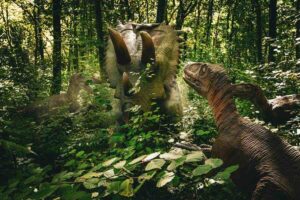
Modern scientific discoveries continue to reveal that dinosaurs displayed a variety of behaviors similar to those seen in many animals today. Evidence suggests that some species cared for their young, built nests, protected their eggs, and invested significant time and energy into ensuring the survival of the next generation.
The Daily Lives of Dinosaurs
Dinosaurs were not constantly hunting, fighting, or roaming in search of prey. Like modern animals, they spent much of their time performing everyday activities necessary for survival. These activities likely included searching for food, finding water sources, resting, maintaining territories, and caring for offspring.
The environments in which dinosaurs lived varied greatly, ranging from dense forests and open plains to wetlands and coastal regions. Each habitat presented unique challenges and opportunities, influencing how different dinosaur species behaved and adapted to their surroundings.
Nesting and Egg-Laying Behavior
One of the most fascinating discoveries about dinosaurs involves their nesting habits. Fossil evidence has shown that many dinosaur species built nests and laid eggs in carefully selected locations. These nesting sites were often arranged to provide protection and suitable conditions for developing embryos.
Researchers have uncovered fossilized nests containing multiple eggs, indicating that some dinosaurs invested considerable effort in preparing secure environments for their young. The arrangement of eggs within nests suggests deliberate placement rather than random deposition, highlighting the importance of reproductive success in dinosaur life.
Evidence of Parental Care
For many years, dinosaurs were commonly portrayed as simple creatures with limited parental involvement. However, fossil discoveries have challenged this outdated view. Certain species appear to have remained near their nests, protecting eggs and possibly caring for hatchlings after they emerged.
Scientists have found evidence suggesting that some dinosaurs guarded nesting sites from potential threats and predators. This behavior mirrors the protective instincts observed in many modern birds and reptiles, which are considered close relatives of dinosaurs.
Protecting the Next Generation
Raising offspring requires significant energy and attention in the animal kingdom, and dinosaurs were likely no exception. Protecting eggs from predators, environmental hazards, and changing weather conditions would have been essential for successful reproduction.
Large dinosaurs may have used their size and presence as a natural deterrent against potential threats. By remaining near nesting sites, parents could increase the chances that their eggs would survive long enough to hatch and produce healthy young.
The Importance of Water Sources
Like all animals, dinosaurs required access to fresh water. Rivers, lakes, ponds, and wetlands likely played a vital role in supporting prehistoric ecosystems. These water sources provided hydration, food opportunities, and gathering places for a variety of species.
Fossil evidence indicates that many dinosaur habitats were located near reliable sources of water. Such locations would have been particularly important for nesting animals that needed to remain close to their eggs while also meeting their own survival needs.
What Modern Science Reveals About Dinosaur Behavior
Advances in paleontology have transformed our understanding of dinosaurs over the past several decades. Rather than viewing them solely as gigantic reptiles, scientists now recognize that many dinosaur species displayed complex behaviors and social interactions.
Studies of fossilized nests, trackways, bone beds, and preserved embryos have provided valuable insights into how dinosaurs lived, reproduced, and interacted with their environments. These discoveries continue to reshape our perception of these ancient animals and reveal surprising similarities between dinosaurs and modern wildlife.
Changing How We View Dinosaurs
The image of dinosaurs as relentless predators tells only part of the story. While some species were undoubtedly powerful hunters, many also exhibited behaviors associated with parenting, protection, and survival. Their lives involved more than simply hunting and defending territory.
Understanding these aspects of dinosaur behavior helps create a more complete picture of prehistoric life. It reminds us that dinosaurs were living animals facing challenges similar to those experienced by creatures today, including raising young, finding resources, and adapting to their environments.
Why Dinosaurs Continue to Fascinate Us
Dinosaurs remain one of the most captivating subjects in natural history because they combine extraordinary size and power with surprisingly relatable behaviors. Their fossilized remains provide clues about ancient ecosystems, evolutionary history, and the development of life on Earth.
As new discoveries continue to emerge, scientists gain an even deeper appreciation for the complexity of these remarkable animals. From nesting and parental care to survival strategies and environmental adaptation, dinosaurs were far more than giant prehistoric creatures they were integral members of thriving ecosystems that existed millions of years before humans appeared.

About the Author