Introduction to Native American Village Life
When people hear the term “Native American,” it is important to understand that there were hundreds of different tribes and nations across North America. Each community developed its own traditions, languages, skills, beliefs, and ways of living. Some groups lived in forests, while others lived on plains, near rivers, along coastlines, or beside lakes. Their daily lives were shaped by the environment around them and by strong values of community, cooperation, and respect for nature.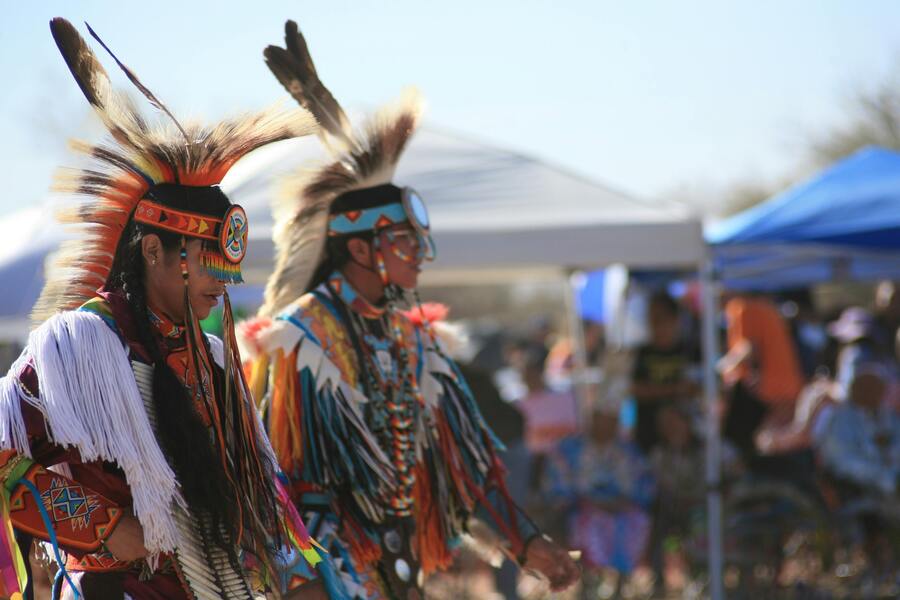
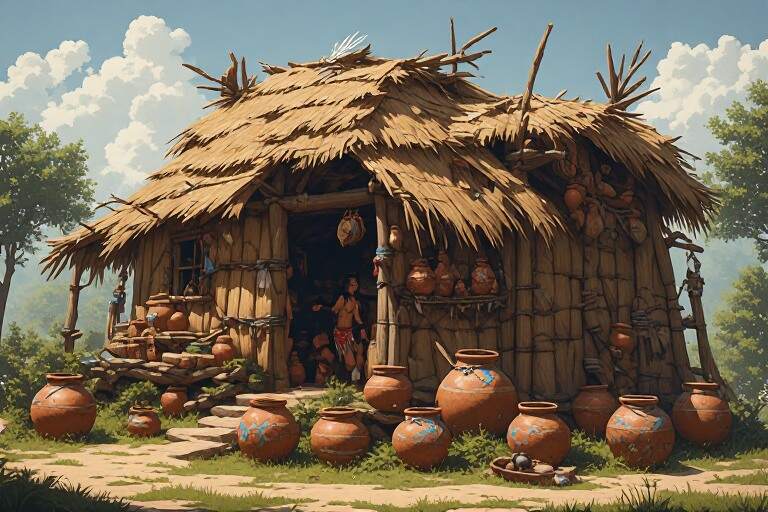
This article presents a fictional lakeside village inspired by many traditional values commonly associated with Indigenous communities. Rather than focusing on one specific tribe, it explores how a peaceful day might unfold in a village where craftsmanship, storytelling, family, and nature play important roles in everyday life.
Sunrise Over a Peaceful Lakeside Village
The day begins before sunrise as soft golden light spreads across the horizon. The calm lake reflects shades of orange, pink, and blue, creating a beautiful scene that marks the beginning of another day. Birds sing from nearby trees while a cool breeze moves gently across the water.
Families gradually wake and begin their morning routines. Some gather water from the lake while others prepare breakfast. The village slowly comes to life as people greet neighbors and start planning the activities ahead. The peaceful surroundings provide an ideal setting for a productive and enjoyable day.
Community Gatherings and Morning Meals
Breakfast is an important time for families to gather and share food before beginning their daily work. Conversations often include plans for fishing, crafting projects, upcoming events, and stories from previous days. These gatherings help strengthen relationships and keep everyone informed about village activities.
Storytelling often begins early in the day. A simple discussion about fishing can quickly turn into a humorous tale about an enormous fish that seems to grow larger each time the story is repeated. Such moments bring laughter and help create a strong sense of community among villagers.
The Importance of Craftsmanship
Crafting plays a major role in daily life within the village. Many useful items must be made by hand, including baskets, pottery, tools, and containers. Skilled artisans spend years developing their techniques and often pass their knowledge to younger generations through observation and practice.
The crafting area is usually one of the busiest places in the village. People work together while exchanging ideas, sharing stories, and helping one another improve their skills. This cooperative environment allows knowledge to be preserved and encourages creativity throughout the community.
Basket Weaving and Practical Skills
Basket weaving is one of the most valuable skills practiced in the village. Reeds gathered from areas near the lake are carefully woven into baskets used for carrying food, storing supplies, and performing daily tasks. Creating a strong and balanced basket requires patience, attention to detail, and experience.
Not every basket turns out perfectly. Occasionally, a basket may lean slightly to one side or develop an unusual shape. Rather than viewing these mistakes negatively, villagers often use humor to celebrate the learning process. These memorable creations frequently become the subject of friendly jokes and stories.
Pottery and Creative Expression
Pottery is another important craft that serves both practical and artistic purposes. Clay is shaped into bowls, cups, storage containers, and decorative pieces. Many pottery items feature designs inspired by animals, plants, seasonal changes, and natural patterns observed in the surrounding environment.
Learning pottery requires practice and patience. Young apprentices often spend many hours developing their skills under the guidance of experienced potters. Mistakes are considered part of the learning process, and each project helps improve technique and confidence.
The Lake as a Source of Life
The lake serves as one of the most important resources for the village. It provides water, transportation, food, and opportunities for recreation. Canoes travel across the calm surface while fishermen work patiently along the shoreline or paddle into deeper waters.
The natural beauty of the lake also contributes to the community’s sense of well-being. Birds, fish, and other wildlife create a vibrant environment that encourages appreciation for nature and reminds villagers of their connection to the land.
Fishing and Daily Activities
Fishing provides an important source of food while also offering opportunities for social interaction and storytelling. Successful catches are often shared among families, and fishing experiences quickly become topics of conversation throughout the village.
Children enjoy watching fishermen and frequently create imaginative stories about the fish they see. A small catch can become the subject of a legendary tale by the end of the day, demonstrating how creativity and humor naturally become part of community life.
Gathering Natural Resources
Throughout the day, groups travel into nearby areas to collect useful materials. Reeds are gathered for weaving, wood is collected for tools and fires, and various plants are used for crafting and other practical purposes. These activities require knowledge of the local environment and responsible resource management.
Gathering trips also provide opportunities for social interaction. Villagers work together, share stories, and enjoy the natural surroundings while completing important tasks that support daily life within the community.
Learning Through Observation and Practice
Education within the village often occurs through observation, participation, and hands-on experience. Children learn by watching skilled adults perform tasks and then gradually practicing those skills themselves. This approach encourages patience, responsibility, and practical understanding.
Whether learning to weave baskets, shape pottery, paddle canoes, or prepare food, young people gain valuable knowledge through everyday experiences. Learning becomes a natural part of daily life rather than a separate activity.
Preparing for the Evening
As the afternoon transitions into evening, villagers begin completing their projects and preparing meals. Tools are organized, crafting materials are stored, and families gather together once again. The smells of cooking drift through the air, creating a welcoming atmosphere throughout the village.
Evening meals provide another opportunity for people to connect, discuss the events of the day, and enjoy time with family and friends. These shared experiences help strengthen community bonds and create lasting memories.
Campfire Gatherings and Storytelling
One of the most anticipated parts of the day is the evening campfire gathering. As darkness settles over the landscape, villagers gather around a large fire where stories, songs, and conversations are shared. The warm glow of the flames creates a comfortable setting for social interaction.
Storytelling serves both educational and entertainment purposes. Some stories are humorous, while others teach lessons about wisdom, cooperation, respect, and responsibility. These traditions help preserve knowledge and connect different generations within the community.
Music, Celebration, and Community Spirit
Music often becomes part of evening gatherings. Simple instruments accompany songs while people clap, sing, and enjoy the atmosphere. Community celebrations encourage participation and help create a strong sense of belonging among villagers.
Children frequently join these activities with enthusiasm, adding energy and laughter to the gathering. Their participation helps ensure that traditions continue to be shared and appreciated by future generations.
The Beauty of the Night Sky
As the evening progresses, many villagers take time to appreciate the night sky. Away from modern city lights, countless stars become visible overhead. The lake reflects these stars, creating a breathtaking scene that highlights the beauty of the natural world.
Quiet conversations often replace the earlier excitement as people relax and enjoy the peaceful surroundings. These moments encourage reflection and appreciation for the community, the environment, and the experiences shared throughout the day.
Conclusion
Life in a traditional lakeside village revolves around cooperation, craftsmanship, storytelling, and a close connection with nature. Daily activities such as fishing, crafting, gathering resources, and sharing meals contribute to a strong sense of community and mutual support.
Although this fictional village does not represent any single Native American tribe, it highlights values that many Indigenous cultures have long emphasized, including respect for nature, the importance of family, the sharing of knowledge, and the strength that comes from working together. Through these traditions, communities create meaningful lives filled with learning, creativity, friendship, and lasting memories.

About the Author